



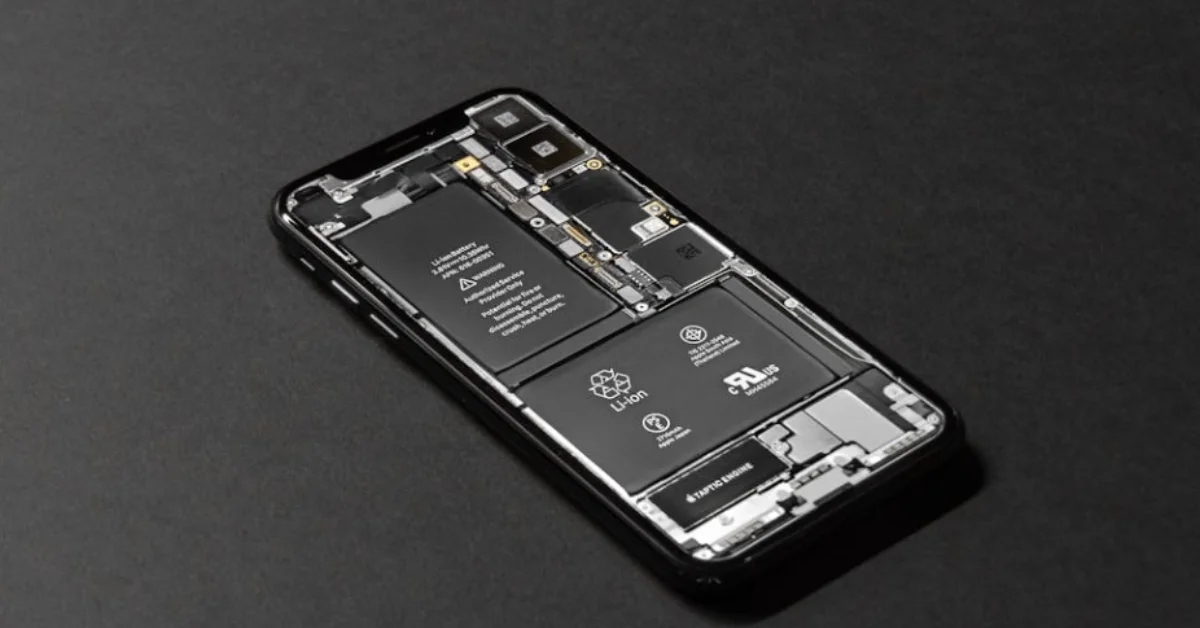
A Newport family lost their home in a lithium battery fire, highlighting a growing trend of incidents across Queensland linked to rechargeable devices.
Background on Lithium Battery Fires
Queensland fire statistics show a sharp rise in residential fires linked to lithium-ion batteries. In 2021–22, there were 48 reported cases. By 2024–25, that number had climbed to 107. Fire authorities have identified charging of electronic devices as the most common cause of these incidents.
The Newport Case
On 23 July 2025, Newport resident Grant Schukow’s home was destroyed in a blaze suspected to have been caused by a cordless vacuum on charge. The fire consumed the majority of his belongings and resulted in the loss of a family pet. The case has drawn attention to the risks posed by rechargeable household devices.
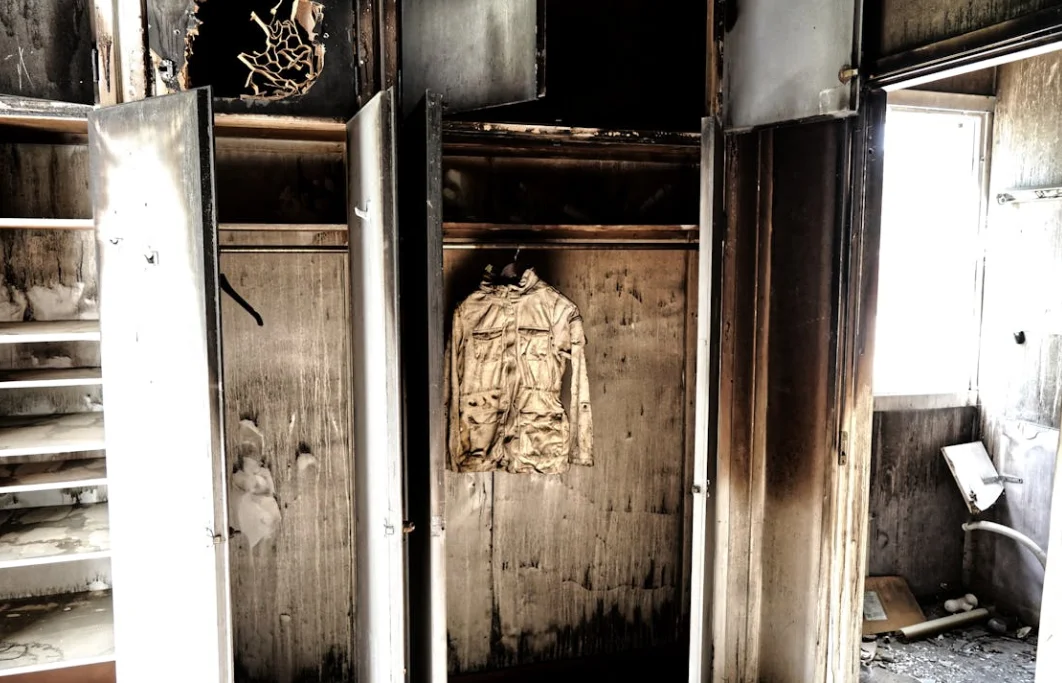
How Lithium Batteries Pose Risks
Lithium-ion batteries, which power items such as mobile phones, laptops, e-scooters, e-bikes and vacuum cleaners, are more compact than traditional batteries but are also more volatile. If damaged, faulty, or charged incorrectly, they can enter a process known as thermal runaway. This causes chemicals in the battery to heat uncontrollably, sometimes leading to fire, explosions, toxic vapours and even re-ignition after a fire appears extinguished.
The risks increase when incompatible chargers are used, when batteries are left to charge beyond capacity, or when they are exposed to heat or moisture. Devices showing signs of swelling, leaking, or unusual smells also present a danger if charging continues.
Safe Charging and Disposal Practices
Authorities recommend only using the charger provided with the device or one specified by the manufacturer. Charging should take place in well-ventilated areas on hard, non-combustible surfaces such as concrete or tiles. Devices should not be left charging unattended, particularly overnight or in living spaces.
For disposal, damaged batteries should never be placed in household or recycling bins. Local councils can provide guidance on safe handling, and many hardware stores and supermarkets offer recycling points. In some cases, if safe to do so, damaged batteries may be de-energised by placing them outdoors in a bucket with 10 litres of water mixed with one cup of table salt for 48 hours before disposal.
Community Sentiment
The rise in fire cases has drawn mixed responses on social media. Some commenters stressed the importance of certified chargers, while others compared lithium batteries to “bombs in the home.” Calls for recalls and stricter product testing were echoed, while a number of voices questioned whether the rise in fires simply reflects more widespread battery ownership. Some users noted they had used lithium batteries for years without incident, while others raised concerns about imported products.
Outlook
The Newport fire has placed a spotlight on the growing number of lithium battery incidents across Queensland. Authorities continue to stress that correct charging practices, approved chargers, and safe disposal methods are the best way to reduce risks in the home.
Published 9-Sep-2025