



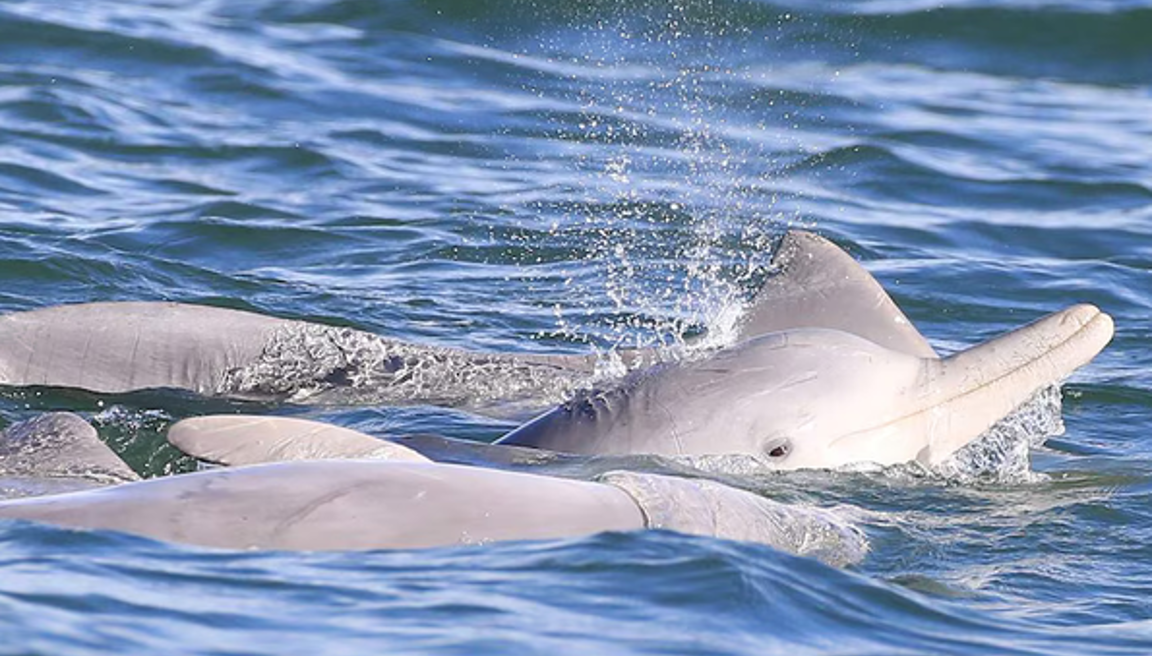
New research has put fresh attention on the pressures facing dolphins in Moreton Bay, where a Newport-based wildlife operator has spent years taking passengers into the waters used by two resident dolphin species.
The 2026 study identified 12 threats linked to human activity facing Australian humpback dolphins in the bay, with pathogens, pollution, habitat degradation and climate change ranked highest for their potential consequences.
For Newport, the research concerns wildlife found surprisingly close to home.
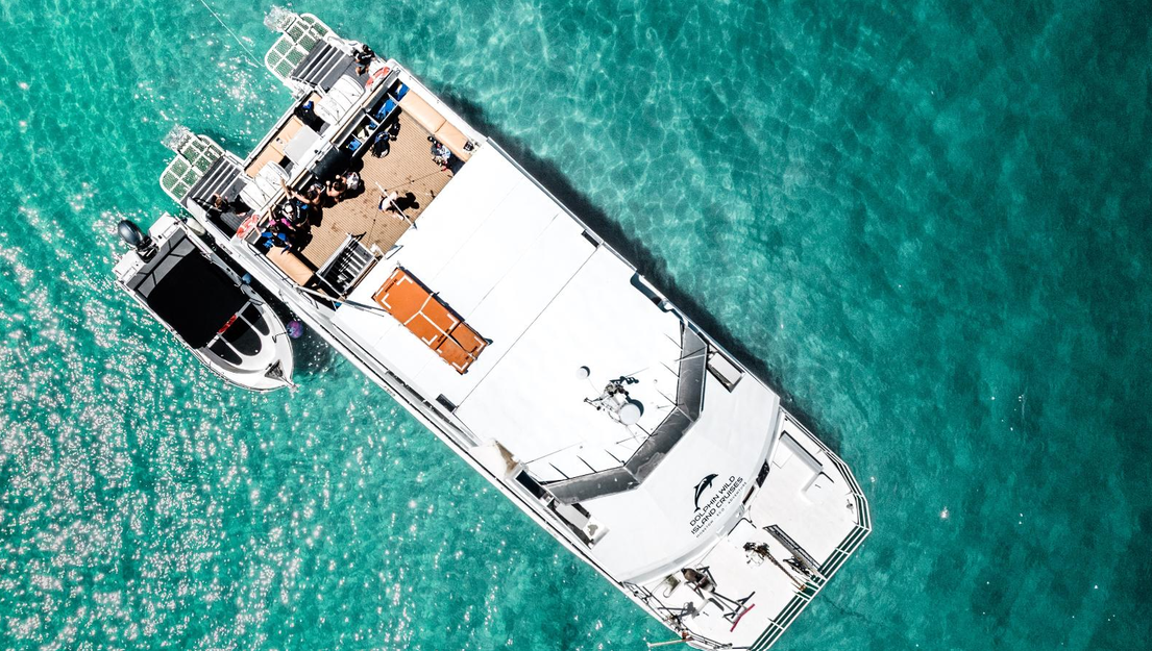
Dolphin Wild Island Cruises operates from Newport Marina, where its 22-metre catamaran Supercat heads across Moreton Bay towards Mulgumpin (Moreton Island) and the Tangalooma Wrecks.
David Boon and Hayley Creamer have owned the operation since 2023. Dolphin Wild says the business has been running for more than 30 years, although the exact year it established its Newport base is unclear from publicly available records.
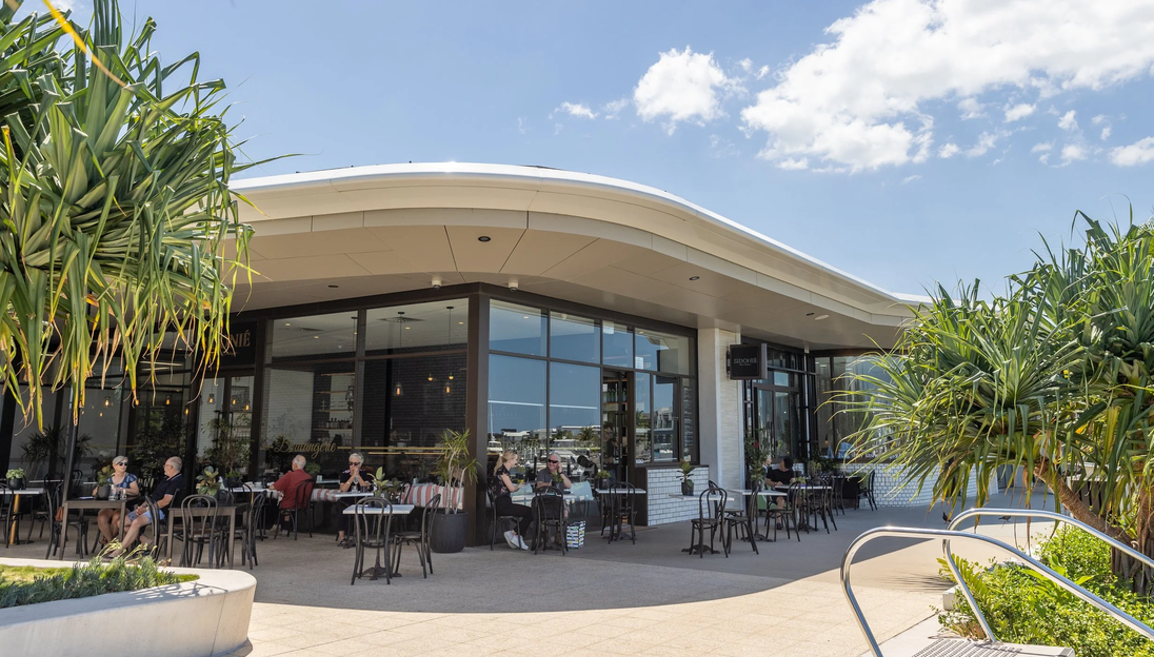
Read: Newport Marina Plan Adds 17 Homes, Dining Hubs Beside Working Berths
Two Dolphin Species Call the Bay Home
Indo-Pacific bottlenose dolphins and Australian humpback dolphins both live in Moreton Bay year-round.
Dolphin Research Australia has previously estimated the bottlenose population at about 554. Australian humpback dolphins are much less numerous, with an estimated 128 animals, although that figure dates from 2016.
The latest research examined the pressures facing the humpback dolphins. Vessel traffic and illegal feeding were considered particularly likely threats, while researchers also found more than 70 per cent of areas with high exposure to threats were in sections of the marine park carrying its lowest level of protection.
The findings drew partly on 1,717 hours of vessel observations collected between 2014 and 2022.
Dolphin Wild also reports encountering dugongs and turtles during its cruises, although what passengers see varies from trip to trip. There is no certainty that dolphins or any other wild animal will appear.
Decades of Trips Across the Bay
That unpredictability means crews regularly covering the same waters build up a very different experience of Moreton Bay from the occasional visitor.
Over time, individual dolphins can potentially become familiar, as can the places where different animals tend to appear. Whether Dolphin Wild formally records those encounters, recognises individual animals or has noticed changes in sightings over its years on the bay remains to be established with the operator.
Those observations should not be confused with scientific population monitoring. But against the backdrop of the new research, there is value in asking people who repeatedly work these waters what they are seeing.
Newport has had its own connection with the bay for decades. The marina’s history reaches back to the Newport Estate and Marina masterplan drawn up in 1977, long before Newport became an officially named suburb in 2008.
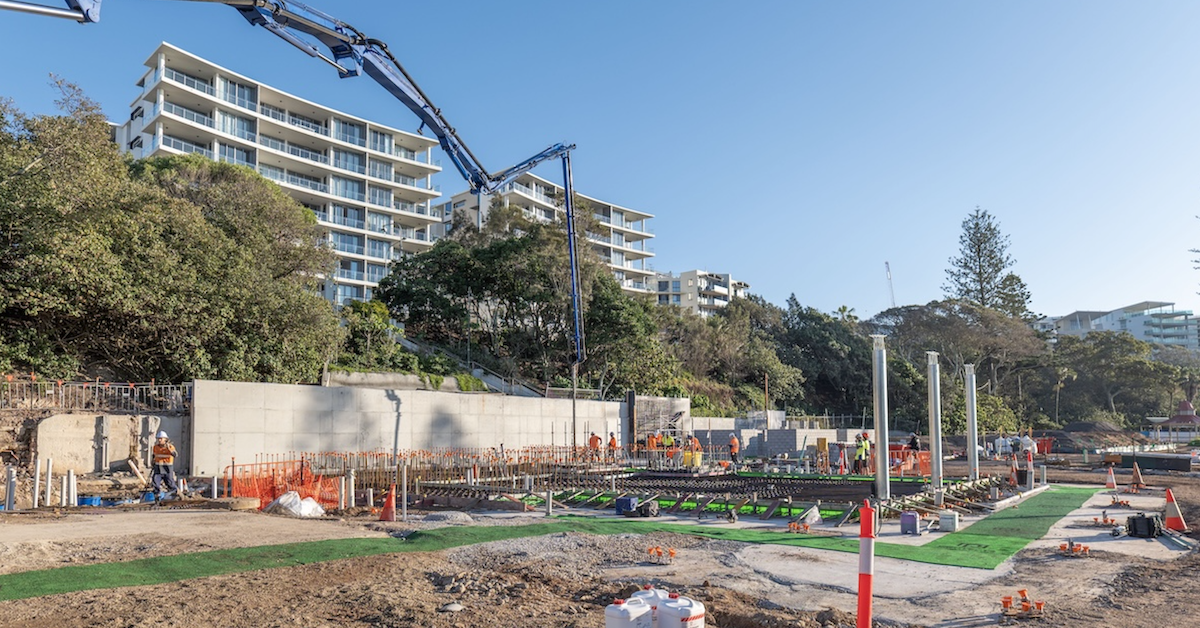
Read: Major Dredging Project Targets Newport Waterways
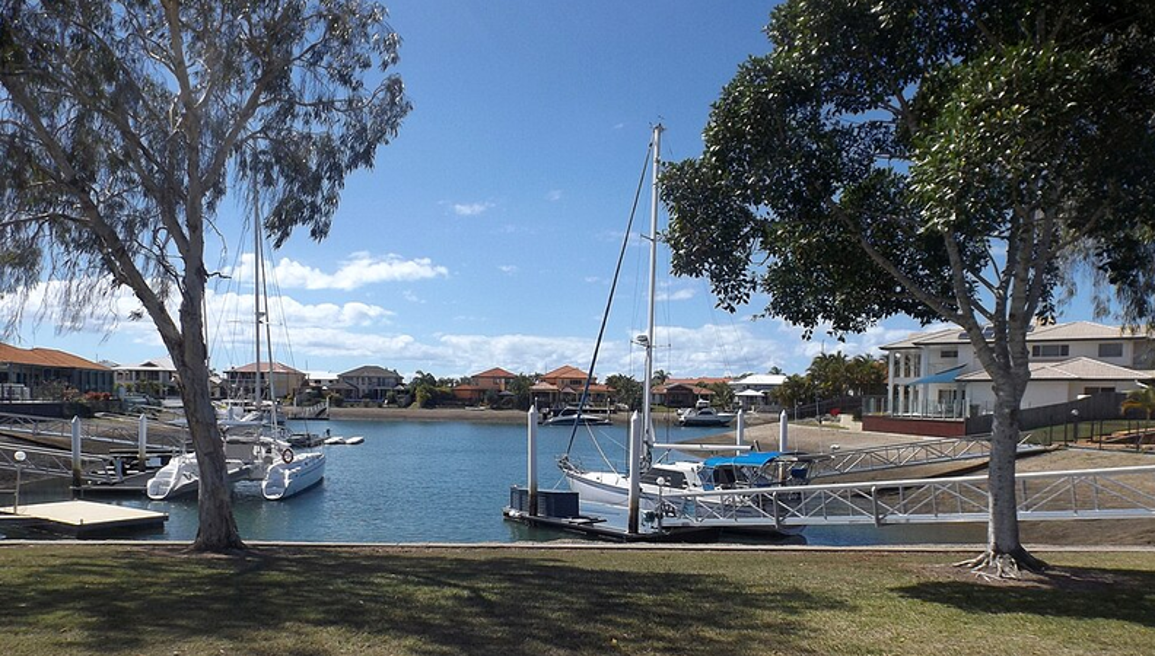
Today, boats leaving the marina can move from Newport’s residential canals into Moreton Bay and, within about an hour, reach waters around Mulgumpin.
For Dolphin Wild, that trip has been repeated for years.
The new research is a reminder that the dolphins encountered beyond Newport’s canals are sharing an increasingly busy bay — and that what happens in those waters is also a local story.
Published 10-September-2026