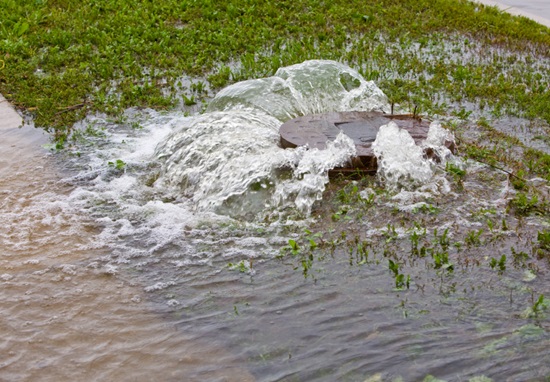




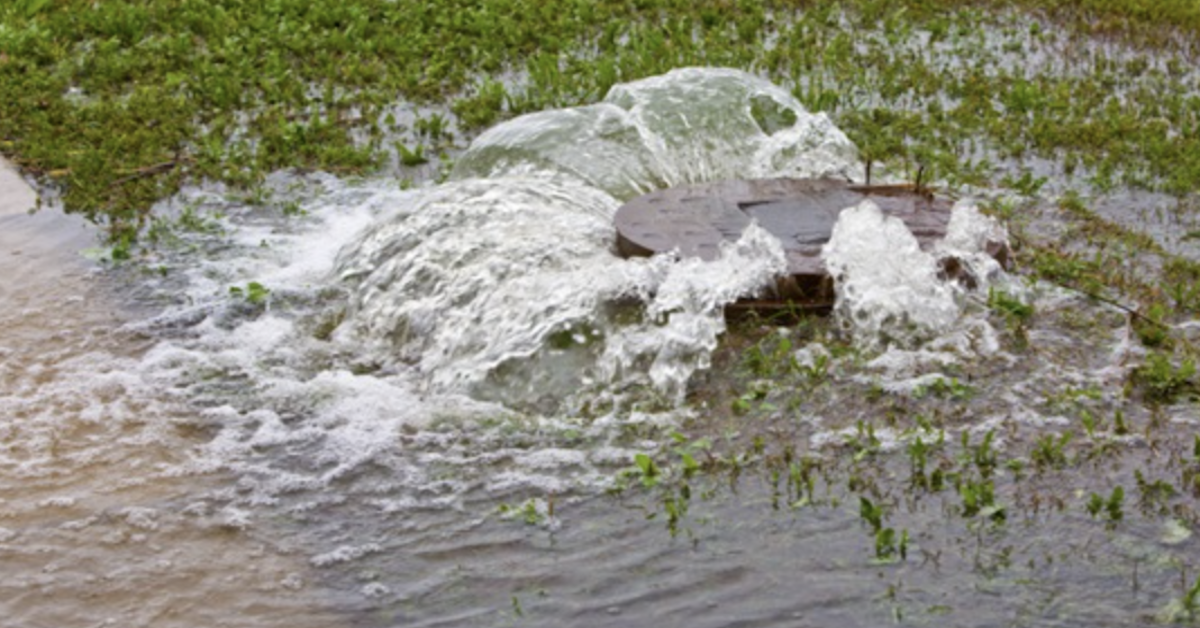
Households in Scarborough and Kippa-Ring are among those covered by a Unitywater smoke-testing program aimed at detecting damaged wastewater pipes, faulty plumbing and incorrectly connected stormwater drains that could increase the risk of sewage overflows.
In an announcement on 12 October 2026, Unitywater confirmed that its 2026–27 program would cover Scarborough, Kippa-Ring, Rothwell, Clontarf, Margate, Redcliffe and Woody Point. Newport itself was not among the suburbs named.
Smoke tests expose hidden plumbing faults
The testing involves pumping artificial smoke into underground wastewater pipes to locate cracks, damaged seals and stormwater connections that allow rainwater to enter the sewerage network.
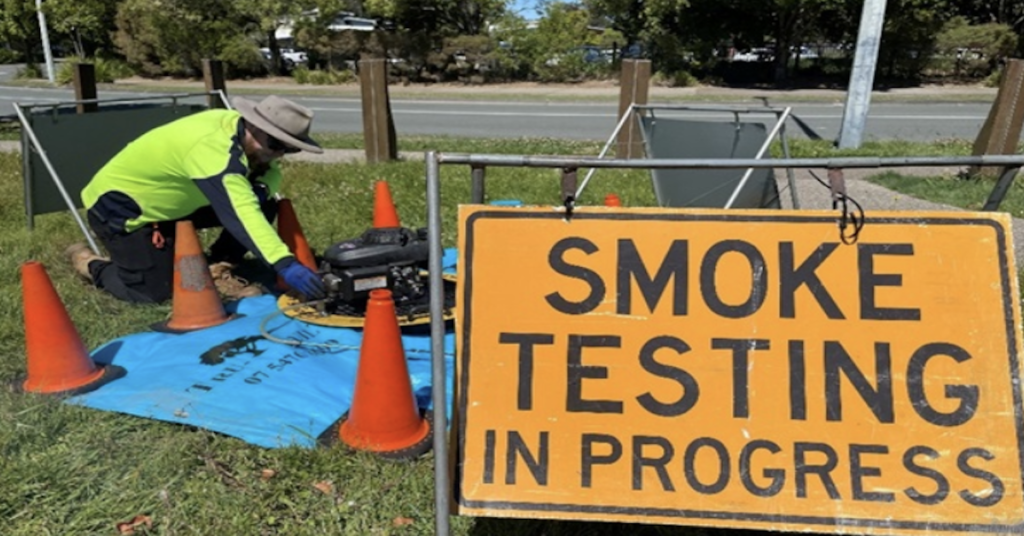
The non-toxic, non-flammable smoke may emerge through roof vents, maintenance holes or defective pipes. Vapour escaping through a normal wastewater vent is expected, while smoke appearing through an incorrectly connected stormwater drain may indicate a plumbing problem.
Unitywater selects testing areas by examining wastewater pump station performance during wet weather, when unusually high flows can indicate rainwater entering the network.
According to its published testing schedule, Kippa-Ring is included in inspections scheduled between July and December 2026. Scarborough and Rothwell are named in the wider 2026–27 program, although specific inspection dates for those suburbs have not been published on the operational webpage.
Thousands of defects identified across Moreton Bay
Unitywater’s five-year testing program has identified approximately 4,000 defects in private plumbing connections, including poorly maintained overflow relief gullies and incorrectly connected stormwater downpipes.
Executive Manager Mike Basterfield reported that 85 per cent of identified defects across Moreton Bay had been rectified, contributing to a 24 per cent reduction in stormwater entering the wastewater network.
Crews also inspected approximately 14,600 wastewater maintenance holes during the previous financial year. Tree roots can cause blockages, while loose maintenance-hole covers can allow stormwater to enter underground infrastructure.
The findings form part of Unitywater’s ongoing wastewater network investigations, which aim to reduce pressure on sewer pipes and treatment facilities during heavy rainfall.
Stormwater connections increase overflow risks
Stormwater drains and wastewater pipes serve separate purposes. Roof runoff and surface water entering sewer pipes can overwhelm systems designed to carry household wastewater, increasing the risk of overflows into properties and waterways.
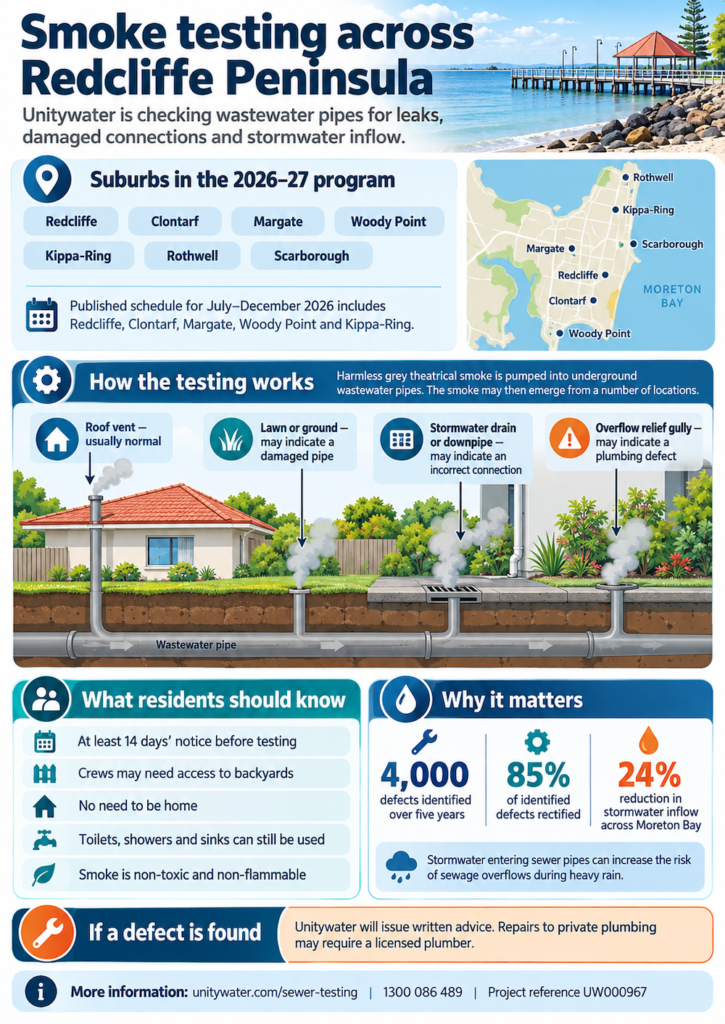
Unitywater’s wet weather guidance identifies defective overflow relief gullies and incorrectly connected downpipes as potential sources of excess water entering the sewerage network.
Overflow relief gullies are designed to release wastewater outside a building if the sewer backs up. Blocked grates, incorrectly installed gullies or connections to roof drainage can prevent them from functioning properly.
Residents to receive notice before testing
Unitywater will notify affected property owners and residents at least 14 days before inspections begin. Crews may need access to outdoor areas, including backyards, but will not enter homes.
Residents do not need to be present, and wastewater services will continue operating throughout the inspections.
Where defective or non-compliant private connections are identified, Unitywater will send written advice outlining the required repairs. Property owners are generally responsible for maintaining private plumbing, while Unitywater manages the public wastewater network. Responsibility for individual defects depends on their location and the infrastructure involved.
Further information about testing schedules and property access is available on Unitywater’s wastewater testing webpage or by calling 1300 086 489 and quoting project reference UW000967.
Published 13-Oct-2026